 Skip to main content
Kakadu National Park Guide: Best Things to Do, Tours & Travel Tips (2026)
A World Heritage National Park
Where is Kakadu National Park ?
Kakadu National Park is located in the Northern Territory of Australia, around 250 kilometres east of Darwin. It is part of the Top End region and is one of the largest national parks in the country.
The park covers nearly 20,000 square kilometres and includes wetlands, rivers, floodplains and rugged escarpments.
It is recognised as a UNESCO World Heritage site for both its natural environment and Aboriginal cultural significance.
Kakadu is easily accessible from Darwin, with a driving time of approximately three hours, making it a popular destination for both day trips and multi-day tours.
Best Things to Do in Kakadu National Park
Kakadu National Park offers a wide range of experiences, from cultural sites and wildlife encounters to dramatic landscapes across the Top End.
Top Attractions in Kakadu
Yellow Water Billabong – Wildlife cruises with crocodiles and birdlife
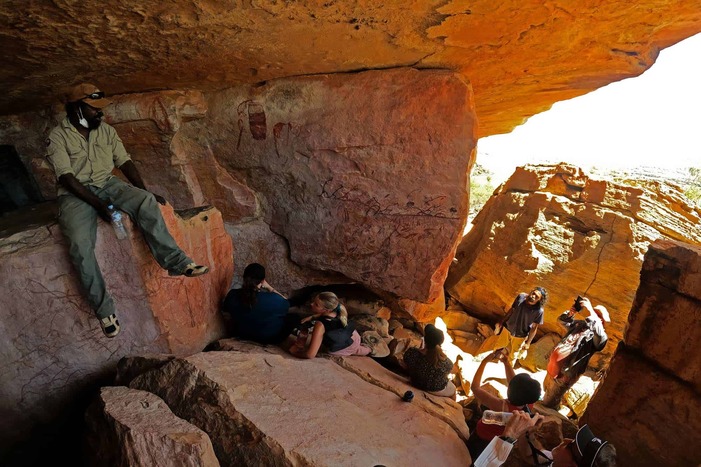
Ubirr Rock – Aboriginal rock art and sunset views
Nourlangie Rock – Cultural stories of the Bininj/Mungguy people
Jim Jim Falls – Seasonal waterfall surrounded by cliffs
Twin Falls – Remote waterfall accessed during the dry season
Wildlife and Nature
Kakadu is a biodiversity hotspot, home to over 280 bird species, saltwater crocodiles and diverse native wildlife. Wetlands such as Yellow Water Billabong offer the best opportunities for wildlife viewing.
Scenic Landscapes
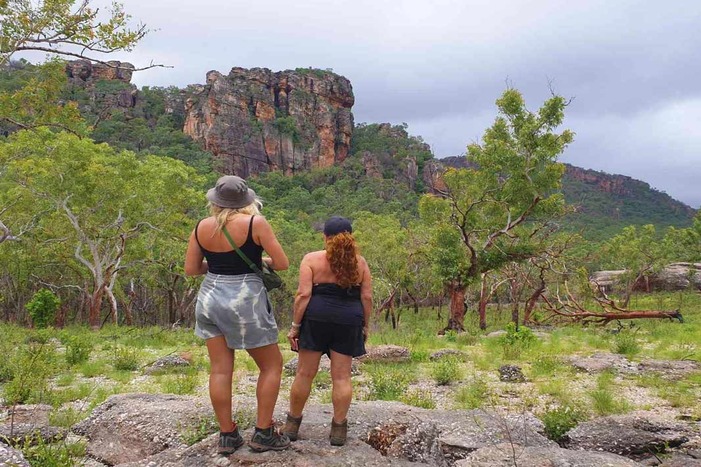
The park features floodplains, sandstone escarpments, rivers, and billabongs, creating a constantly changing landscape throughout the year.
Cultural Heritage Sites
Kakadu includes important Aboriginal cultural sites, ceremonial locations and traditional lands of the Bininj/Mungguy people, offering deep cultural insight through guided experiences.
Kakadu Waterfalls
Kakadu National Park, located in the Northern Territory of Australia, is known for its stunning waterfalls. Some of the best Kakadu waterfalls include:
Jim Jim Falls
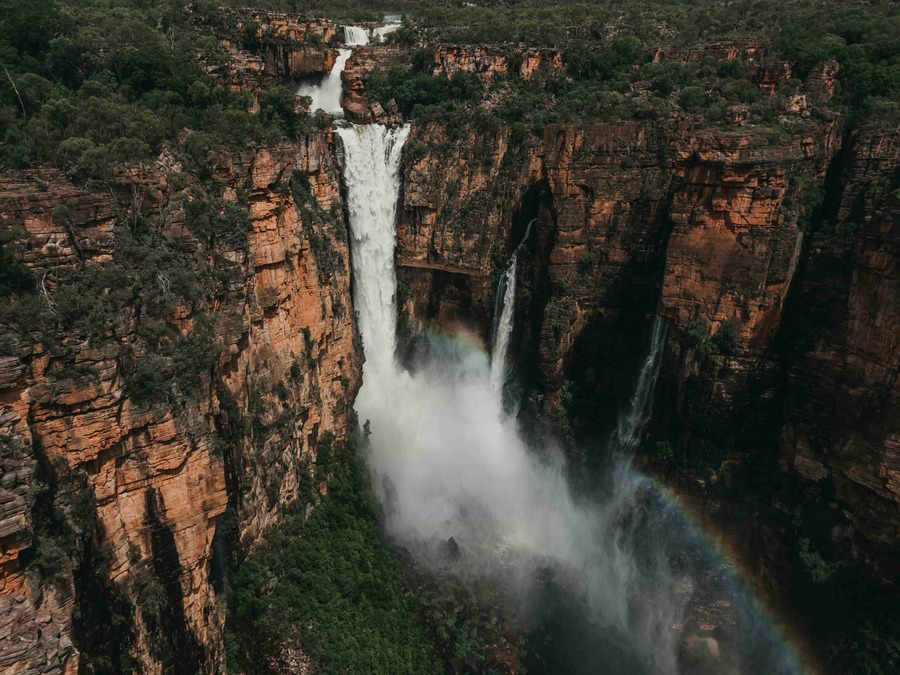
One of the most iconic waterfalls in Kakadu, Jim Jim Falls is a breathtaking sight. The falls cascade over the Arnhem Land escarpment during the wet season, creating a spectacular plunge pool at the base. Access to Jim Jim Falls can be challenging, especially during the wet season when the road may be closed.
Twin Falls
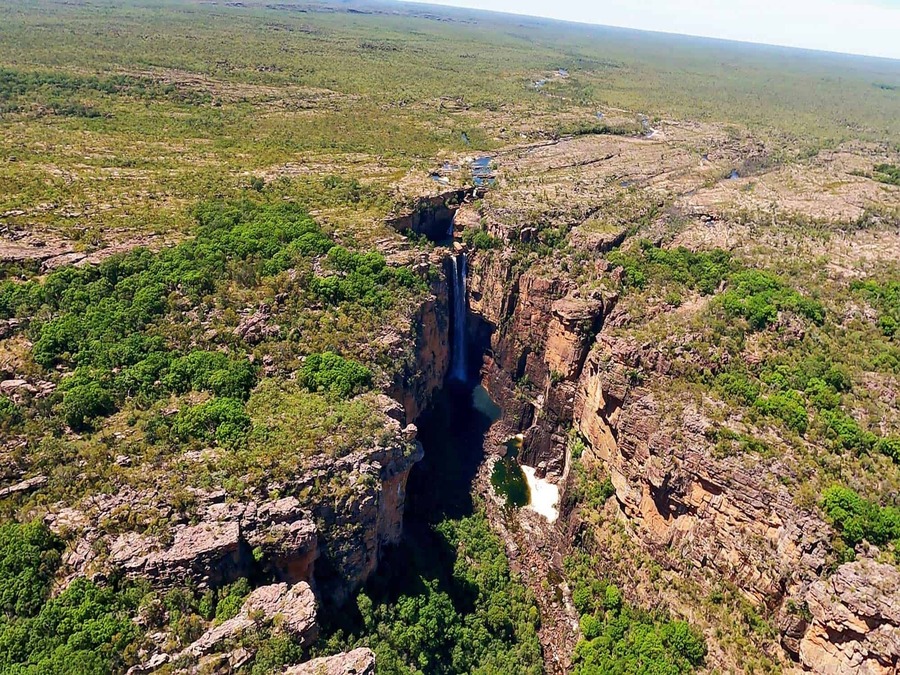
Another impressive waterfall in Kakadu, Twin Falls is known for its two parallel falls that flow over the escarpment. To reach Twin Falls, visitors can take a boat shuttle along the gorge or hike through the escarpment (when open). Like Jim Jim Falls, access may be restricted during the wet season.
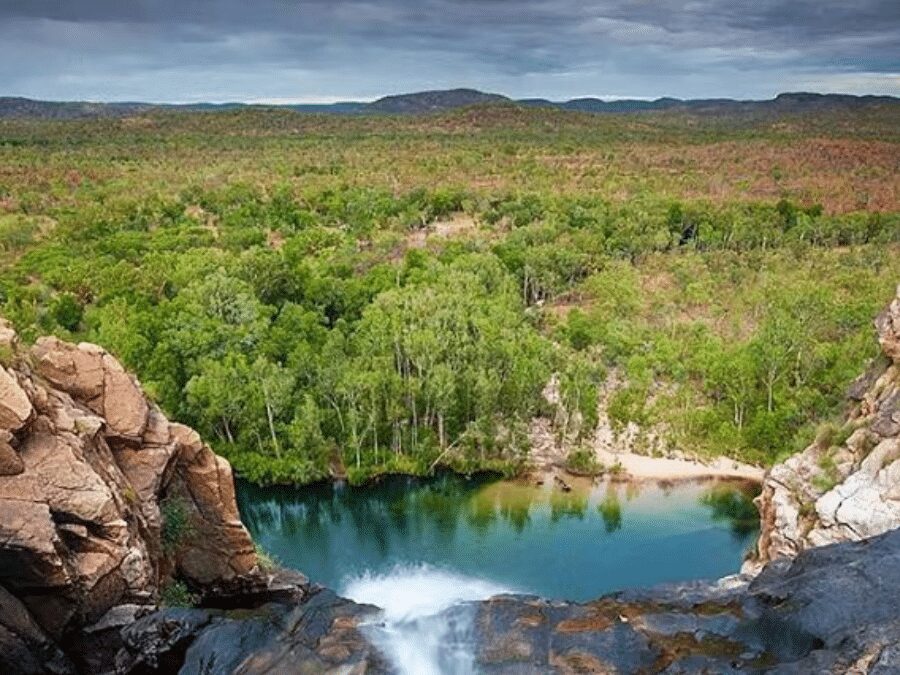
Gunlom Falls
Also known as the Waterfall Creek, Gunlom Falls offers a unique experience as it features both a plunge pool at the top and a series of natural infinity pools with panoramic views of the southern part of Kakadu. The hike to the top is rewarded with a refreshing swim and stunning scenery.
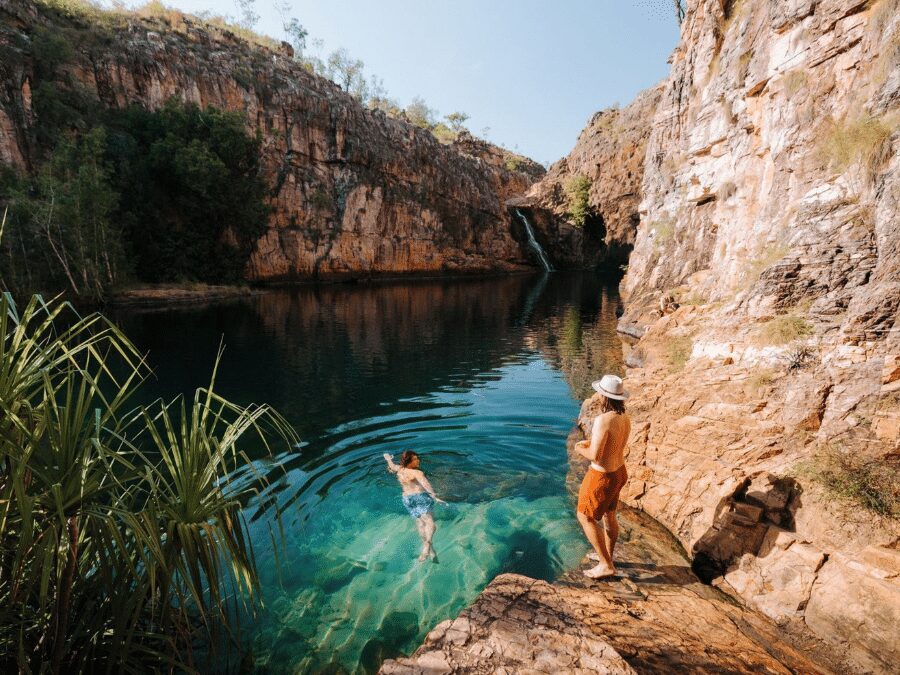
Maguk (Barramundi Gorge)
Maguk is famous for its clear plunge pool surrounded by high sandstone cliffs. The 1-kilometre walk to the gorge takes visitors through monsoon forest and is rewarded with a pristine swimming spot. Maguk is usually accessible year-round.
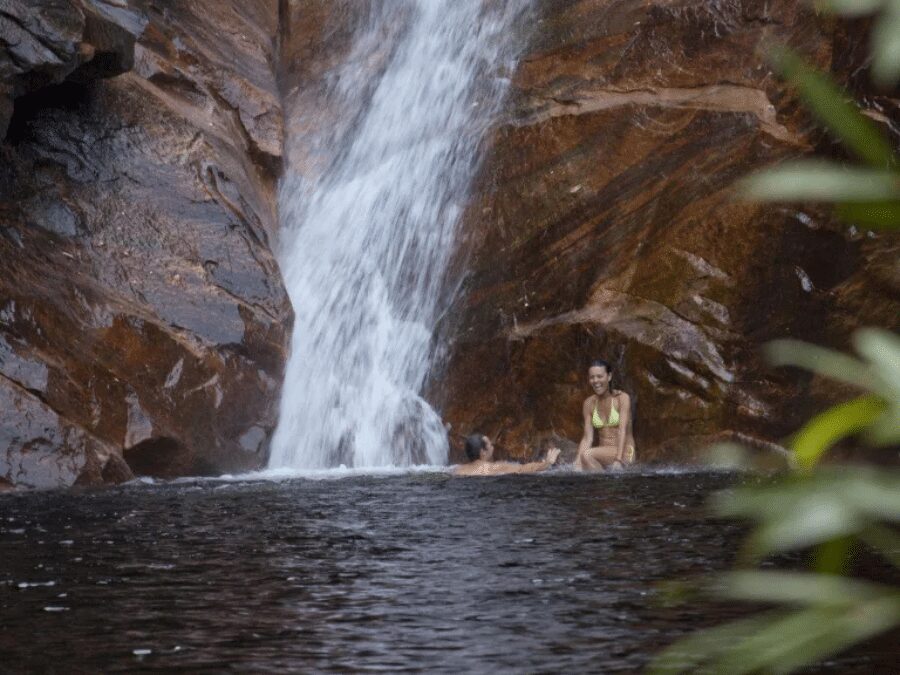
Motor Car Falls
This waterfall is located in the southern part of Kakadu and offers a more secluded experience. The falls flow over a series of rock terraces, creating a tranquil setting. The access road may be challenging, especially during the wet season.
Before planning a visit to Kakadu National Park, it’s essential to check the seasonal conditions and road accessibility, as some areas may be closed during the wet season (November to April). Always follow safety guidelines, pay attention to signage, and check with local authorities for the latest information on road and trail conditions.
Camping in Kakadu
Camping in Kakadu is a great way to experience the park’s landscapes, from wetlands and billabongs to escarpments and waterfalls.
There are options for all types of travellers, from basic bush camps to well-equipped campgrounds with facilities.
Types of Camping in Kakadu
Remote campsites – Accessed by 4WD, offering a more rugged and isolated experience
Managed campgrounds – Equipped with amenities and suitable for families and standard vehicles
Visitors should plan ahead, as distances are large and weather conditions can be extreme, especially during the wet season.
Popular Campgrounds in Kakadu
Cooinda Campground – Close to Yellow Water Billabong with facilities and a pool
Merl Campground – Basic campground in a quieter area of the park
Gunlom Campground – Located near Gunlom Falls (dry season access)
Mardugal Campground – Near Nourlangie Rock, good base for exploring rock art
Maguk Campground – Close to Maguk waterfall with basic facilities
Camping allows visitors to explore Kakadu at a slower pace and experience the park beyond day trips.
Hiking in Kakadu National Park
Kakadu offers a variety of hiking trails, from short walks to more challenging hikes through diverse landscapes.
Popular Hikes in Kakadu
Nourlangie & Anbangbang Billabong Walk – Easy walk with Aboriginal rock art and birdlife
Barramundi Gorge (Maguk) Walk – Walk through monsoon forest to a waterfall and plunge pool
Jim Jim Falls Walk – Challenging hike to one of Kakadu’s most iconic waterfalls
Gunlom Plunge Pool Walk – Steep walk to a natural infinity pool with panoramic views
Yurmikmik Walks – Network of trails including Motor Car Falls and Boulder Creek
Bubba Walk – Short, easy walk near Bowali Visitor Centre
Kakadu Escarpment Walk – Longer hike with views over Arnhem Land escarpment
Before hiking, check local conditions, as weather and access can change quickly. Always carry sufficient water and prepare for hot conditions.
Crocodiles in Kakadu National Park
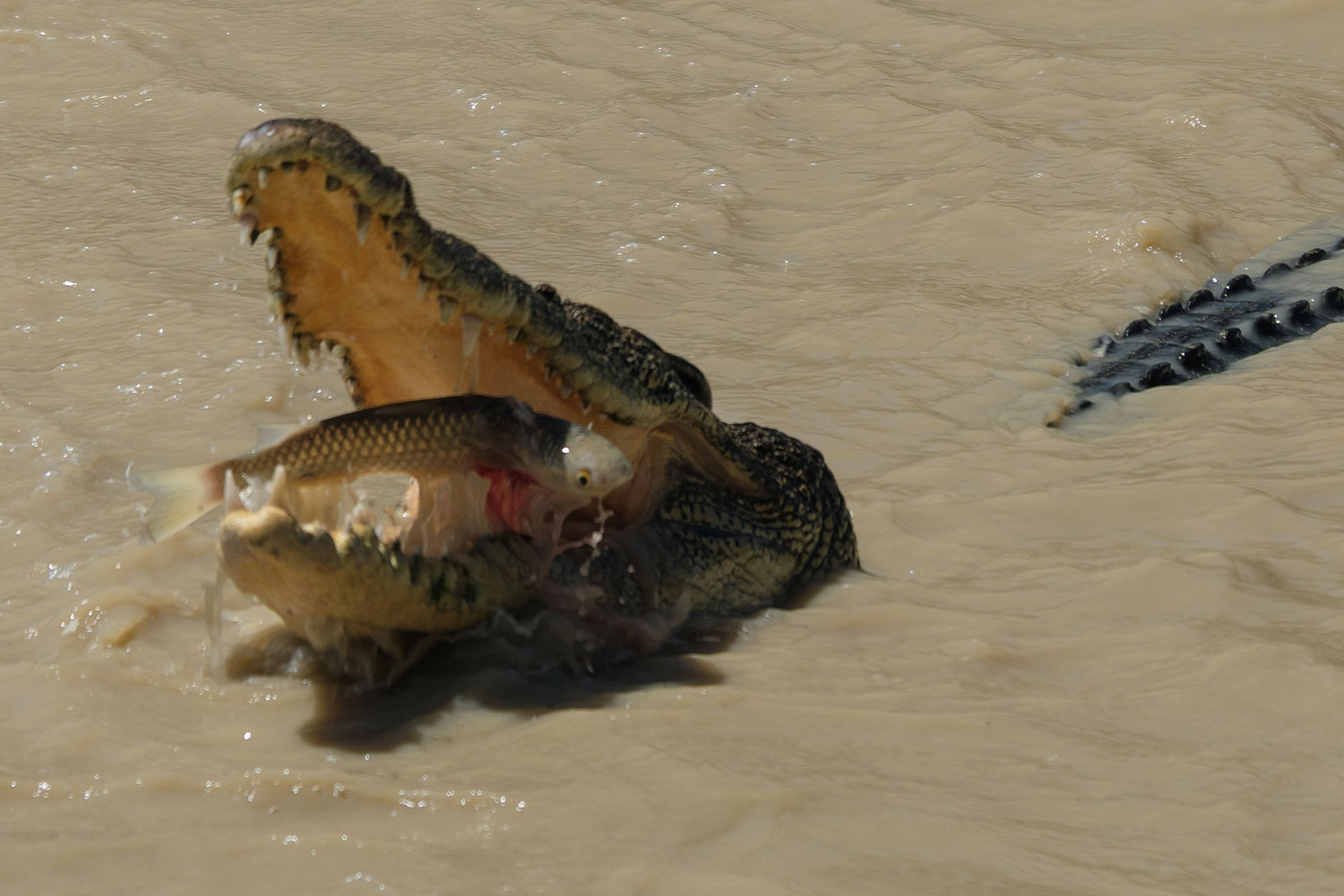
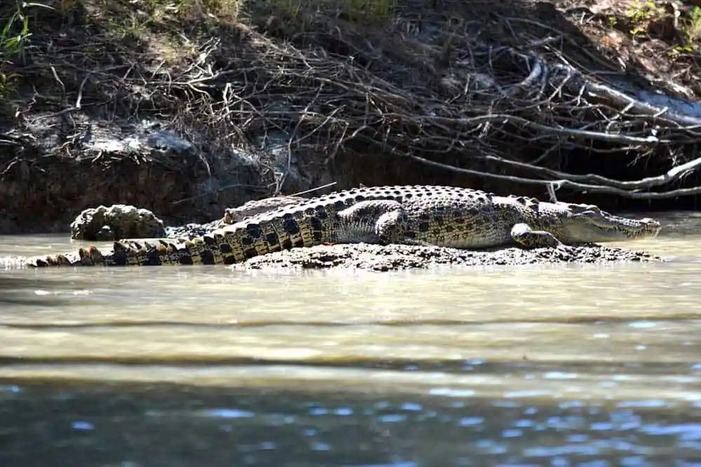
Kakadu National Park is one of the best places in Australia to see crocodiles in the wild, including both saltwater and freshwater species.
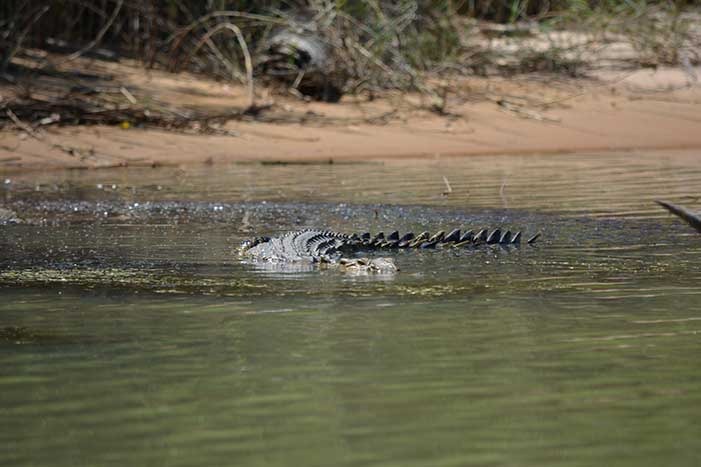
Saltwater crocodiles are commonly found in rivers and wetlands such as the East Alligator River and Yellow Water Billabong. These large predators are often seen on wildlife cruises and from designated viewing areas.
Freshwater crocodiles are smaller and less aggressive, typically found in billabongs and creeks throughout the park.
Wildlife tours and boat cruises provide safe opportunities to observe crocodiles while learning about their behaviour and the park’s conservation efforts.
Visitors should always follow safety guidelines, as crocodiles are present throughout many areas of Kakadu.
How to Get to Kakadu National Park
Kakadu National Park is located around 250 kilometres east of Darwin and can be reached by road, air or guided tours.
Self-Drive to Kakadu
Driving is the most popular way to visit Kakadu. The journey from Darwin takes around three hours via the Arnhem Highway.
Self-driving gives you the flexibility to explore different regions of the park at your own pace. However, distances are large, and some areas require a 4WD vehicle, especially during the wet season.
It is important to plan ahead with fuel, water and accommodation, as services are limited in remote areas.
Flights to Kakadu
Scenic flights and charter services operate from Darwin, offering aerial views of Kakadu’s wetlands, rivers and escarpments.
These flights are a great way to experience the park’s scale and may also include landings in selected areas.
Kakadu Tours from Darwin
Guided tours are one of the easiest ways to explore Kakadu, especially for first-time visitors.
Tours typically include:
Transport from Darwin
Access to major attractions
Wildlife experiences and cultural insights
Guided experiences are ideal if you want a structured itinerary and a deeper understanding of the park without worrying about logistics.
Best Time to Visit Kakadu National Park ?
The best time to visit Kakadu National Park in the Northern Territory of Australia depends on your preferences and the type of experience you’re seeking. Kakadu has distinct wet and dry seasons, each offering unique advantages:
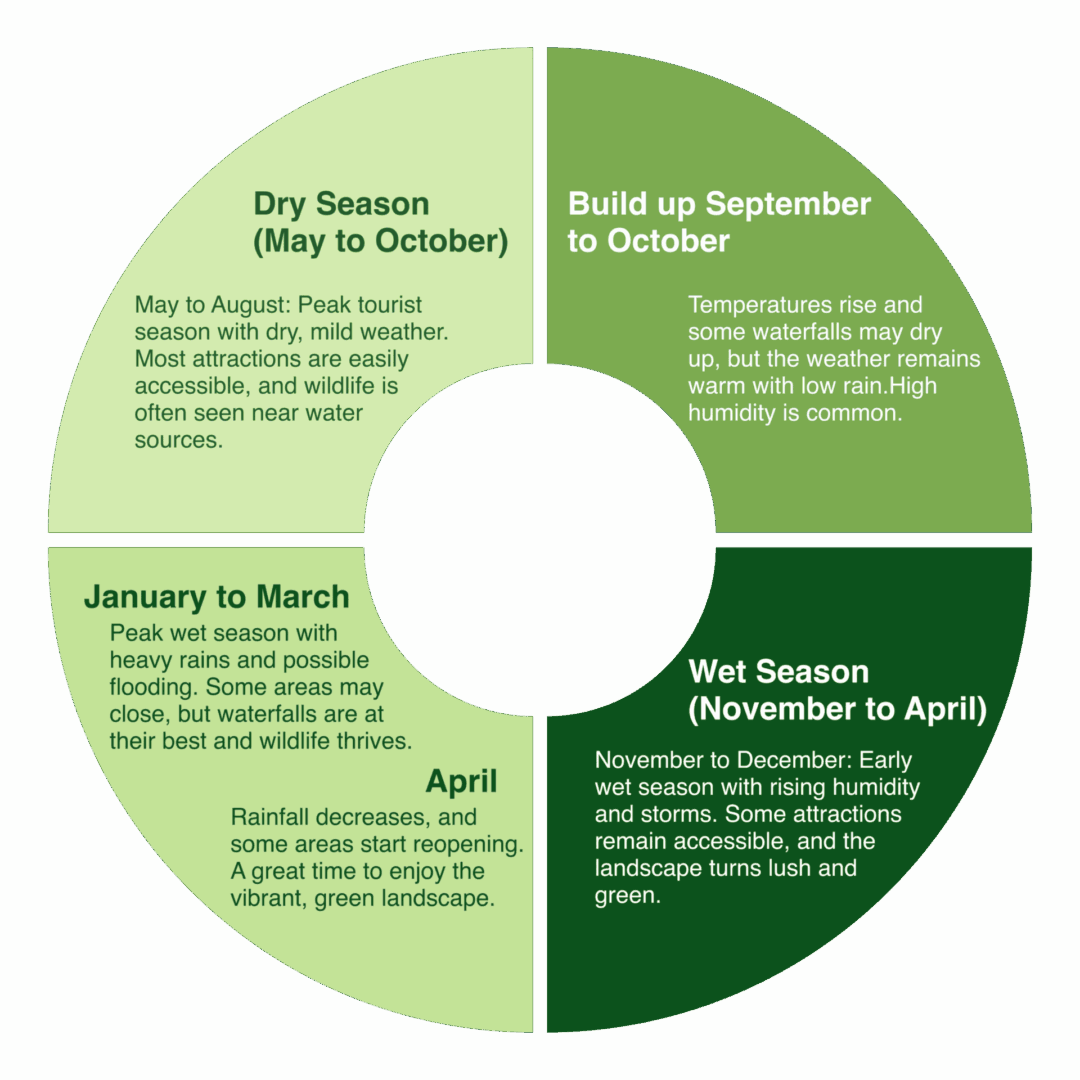
The best time to visit Kakadu National Park is during the dry season from May to October, when roads are accessible, wildlife is easier to spot and most attractions are open.
Kakadu Seasons Explained
Dry Season (May to October) – Best overall time to visit with cooler weather, open roads and access to waterfalls and rock art sites
Build-Up (September to October) – Hot and humid conditions, with fewer crowds and dramatic skies
Wet Season (November to April) – Lush landscapes and powerful waterfalls, but some areas may be closed due to flooding
Late Wet (January to March) – Peak rainfall period with limited access but vibrant scenery
Transition (April) – Water levels begin to drop, and more areas reopen
What to Consider
Road closures are common during the wet season
Wildlife viewing is best in the dry season
Waterfalls are most impressive during or just after the wet season
Choosing the best time depends on your travel priorities, whether that is accessibility, wildlife or scenery.
Kakadu Culture, History and Heritage
Kakadu National Park is one of the most culturally significant places in Australia, with a history that spans tens of thousands of years.
The park is home to the Bininj/Mungguy people, who have lived in the region for over 60,000 years. Their connection to the land is reflected in traditions, stories and cultural practices that continue today.
Aboriginal Culture in Kakadu
Aboriginal culture is central to Kakadu’s identity. Key aspects include:
Dreamtime stories that explain the creation of the land and its features
Ceremonial sites used for rituals and cultural practices
Traditional land management, including fire practices that help maintain the ecosystem
Rock Art in Kakadu National Park
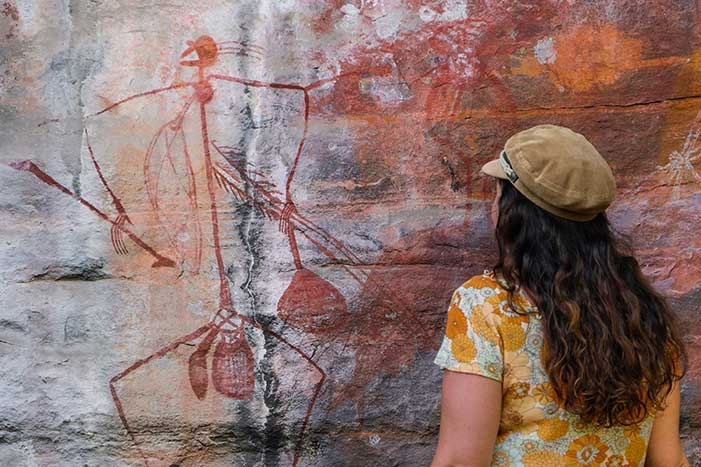
Kakadu is world-renowned for its Aboriginal rock art, some of the oldest in the world.
Important sites include:
Ubirr – Rock art galleries and views over the floodplains
Nourlangie Rock – Detailed paintings and cultural stories
Nanguluwur – A quieter site with well-presed artwork
These artworks provide insight into daily life, spiritual beliefs and environmental knowledge passed down through generations.
History of Kakadu National Park
Kakadu’s modern history includes European exploration and the establishment of the national park.
Aboriginal people have lived in the region for over 60,000 years
The area gained recognition in the 20th century for its ecological and cultural value
Kakadu was declared a national park in stages between 1979 and 1991
It was listed as a UNESCO World Heritage site for both natural and cultural significance
Today, Kakadu is jointly managed by traditional owners and Parks Australia, helping to preserve both its environment and cultural heritage.
FAQs
Where is Kakadu National Park located?
Kakadu National Park is located in the Northern Territory of Australia, around 250 kilometres east of Darwin.
What are the best things to do in Kakadu National Park?
Top things to do include visiting Yellow Water Billabong, Ubirr, Nourlangie Rock, Jim Jim Falls and Twin Falls, as well as experiencing wildlife and Aboriginal rock art.
How many days do you need in Kakadu National Park?
Most visitors spend 2 to 3 days in Kakadu, although longer stays allow deeper exploration of remote areas.
What is the best time to visit Kakadu National Park?
The best time to visit is during the dry season from May to October, when roads are accessible and wildlife is easier to spot.
Can you visit Kakadu from Darwin?
Yes, Kakadu can be visited from Darwin by self-drive, guided tours or scenic flights.
Are there crocodiles in Kakadu National Park?
Yes, Kakadu National Park is home to both saltwater and freshwater crocodiles, which can be found in rivers, wetlands and billabongs throughout the park.